
Background Music for TikTok Makeup Videos: A Creator's Guide to Claim-Free Beats
Updated ·First published
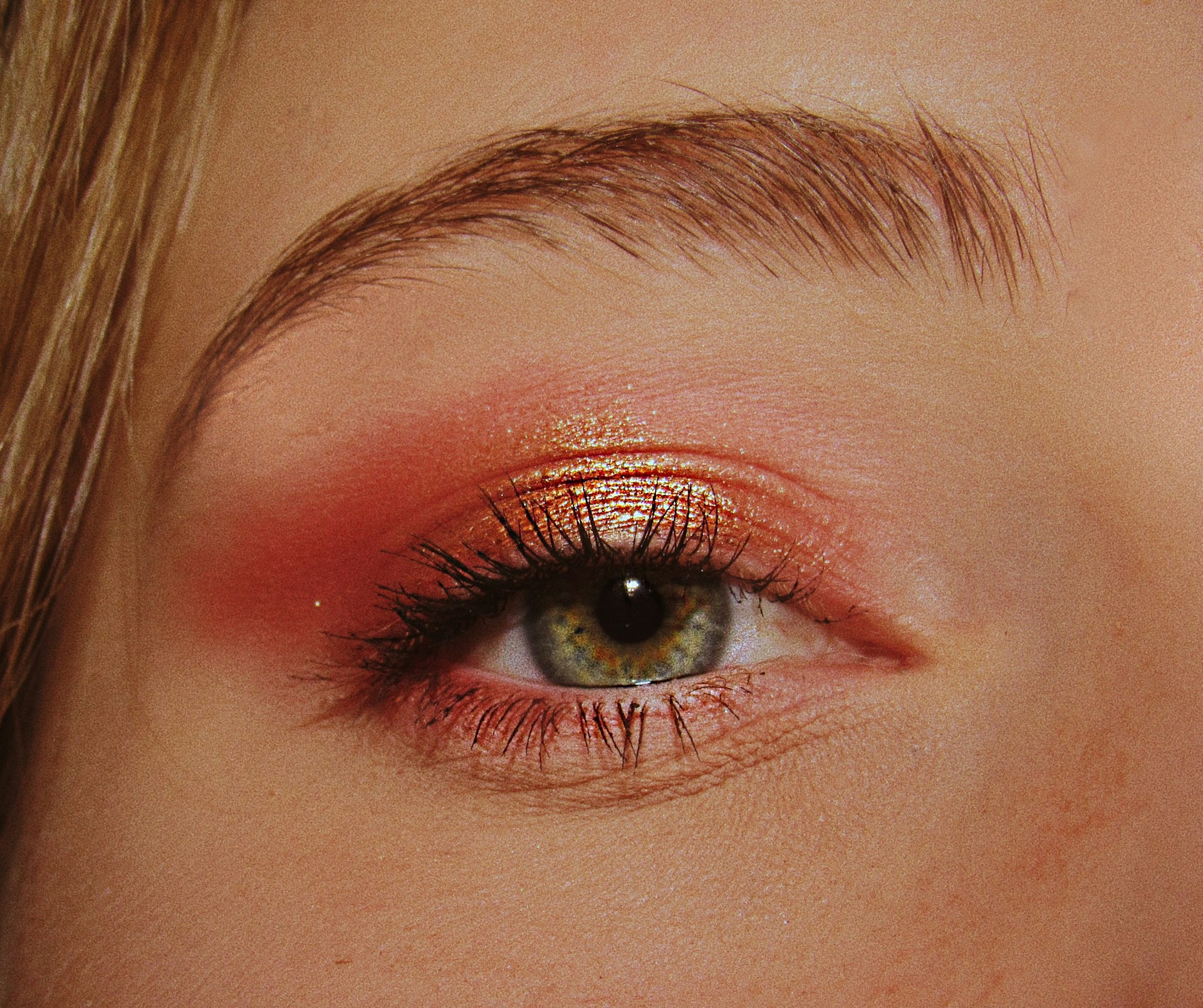
Makeup TikTok moves fast. A fifteen-second transformation can pull millions of views, but the wrong audio can get your video muted, region-blocked, or buried before it ever reaches the For You page. The right background track does more than fill silence. It sets the pace of your cuts, keeps viewers glued to the screen, and stays out of the way of your voiceover.
This guide is for beauty creators who want music that matches the calm, stylish energy of a makeup tutorial without the copyright headaches. We will cover what makes a song work for short-form content, why lofi and chill beats fit the beauty niche, and how to use our catalog directly on TikTok, YouTube, and Twitch.
Why music is make-or-break on TikTok
TikTok's algorithm rewards watch time, replays, and shares. Audio is one of the strongest signals on the platform. A trending sound can boost reach, but a copyrighted track can also get your video removed or demonetized if the rights holder decides to enforce it.
For makeup creators, the problem is even more specific. Your content relies on a relaxed, satisfying mood. A heavy EDM drop or a vocal-heavy pop song can fight your voiceover and make the tutorial feel chaotic. You need music that supports the visuals, not competes with them.
That is where instrumental background music comes in. A clean, loop-friendly beat gives your video a professional feel without pulling attention away from the product, the technique, or your personality.
What makes a track work for makeup TikToks
Not every instrumental song is right for short-form makeup content. The best tracks share a few traits:
- No vocals or minimal vocals. Lyrics clash with voiceovers and distract from on-screen text.
- A steady tempo that matches your editing cuts. If you cut on every beat, the rhythm should be predictable.
- Loop-friendly structure. Short videos repeat the same section of audio; the track should not get annoying after three loops.
- Consistent energy. Sudden drops, silence, or tempo changes can break the flow of a smooth tutorial.
- Clean rights. The track should be cleared for social use, or come from an artist who does not claim creators.
Makeup tutorials are often shot in real time and then sped up or cut into quick transitions. The music needs to feel the same at 1x as it does at 2x. Lofi hip-hop, chill beats, and ambient grooves tend to handle that compression better than complex arrangements.
Why lofi and chill beats fit the beauty niche
Lofi has become the default background sound for study streams, cooking videos, and creative workspaces for a reason. It is warm, understated, and stylish without trying too hard. That same energy works for makeup content.
A soft drum loop, a dusty piano sample, and a mellow bassline create a cozy, aspirational mood. Viewers associate that sound with focus and good taste. It makes a five-minute skincare routine feel like a ritual and a bold eye look feel like art.
Our catalog is built around that idea. Every release is written and played by two brothers, not generated by AI. The instruments are real, the mixes are gentle, and the tracks are designed to sit behind content instead of demanding the spotlight.
Using BeatsBackground directly on TikTok
Many of our releases are available directly on TikTok. You can search "BeatsBackground" in the TikTok sounds library and add our tracks to your videos without importing audio from another app. That keeps your workflow simple and your audio quality clean.
Because the same tracks are also on Spotify, Apple Music, and Amazon Music, your followers can find the song later if they ask what was playing. It is a small detail, but it builds credibility and gives viewers another way to connect with your brand.
For longer content, head over to our playlists. "Strictly Lofi" is a safe starting point for calm tutorials. "Beats for Streaming" has more variety if you want different energy across a series of clips. "EDM - Beats for Streaming" works when the makeup look is bold and the edit needs a pulse.
Staying claim-free for Twitch, YouTube, and VODs
We do not file copyright claims against streamers or creators. Ever. Like all distributed music, our releases exist in Content ID, and we do not act on matches. Credit is appreciated, never required. For streams, the safest route is Pretzel. It is built to keep automated copyright matches off your channel, and it carries our full catalog with shuffle and on-screen credits.
If you stream makeup tutorials, GRWM sessions, or get-ready content on Twitch, Pretzel keeps your audio safe live and in the upload the next morning. You can read more about how that works on our streamers page.
For brands and commercial projects, clearance happens through MassiveMusic, formerly Songtradr. That is a separate path from social content, so if you are working with a brand on a sponsored makeup campaign, make sure the music is licensed for that specific use.
Common mistakes creators make with background music
Even a great track can hurt a video if it is used wrong. Here are the mistakes we see most often:
- The music is too loud. If viewers have to strain to hear you, they will scroll.
- The tempo fights the edit. A slow ballad under fast cuts feels awkward; a frantic beat under slow voiceover feels anxious.
- The song has hidden vocals. A track that sounds instrumental might have a vocal sample that shows up halfway through and ruins the voiceover.
- The creator assumes "royalty-free" means "claim-free." Many royalty-free libraries still use Content ID, which can trigger claims on YouTube or Twitch.
- The audio is imported from a phone speaker. Screen recordings or phone-to-phone transfers add noise and compression.
Avoiding these problems is mostly about choosing the right source and mixing with intention. A clean track from a trusted catalog, mixed at the right level, solves most issues before they start.
Why human-made music matters for brand deals
Sponsored beauty content is growing fast. Brands want creators who feel authentic, and music is part of that authenticity. A generic corporate stock track can make a sponsored post feel like an ad before the viewer even sees the product.
Human-made lofi beats give sponsored content a personal, editorial feel. They signal that you care about the details, which makes the brand look better by association. It also makes it easier to negotiate usage rights because the catalog has a clear licensing path.
If a brand asks for proof of music clearance, you can point them to our MassiveMusic page for commercial licensing. For organic social and streaming, Pretzel is the safest route.
Recommended playlists and where to start
We built three playlists that cover most makeup creator needs:
- Beats for Streaming: the long one. Ten-plus hours of lofi, EDM, and RnB meant to run in the background for an entire session.
- Strictly Lofi: no drops, no vocals, nothing that fights your voice. Just tape and drums. Perfect for soft-spoken tutorials.
- EDM - Beats for Streaming: for when the lofi gets too sleepy and the chat or comment section needs a pulse.
If you are not sure where to start, pick "Strictly Lofi" and drop the volume to about fifteen percent under your voice. It should feel like the room has atmosphere, not like a music video.
Practical editing tips
Music only helps if it is mixed well. Here are a few quick habits that will make your makeup TikToks feel more polished:
- Duck the music under voiceovers. A simple sidechain compressor or volume automation keeps your voice clear without killing the track.
- Loop at eight or sixteen bar boundaries. Most lofi tracks loop cleanly every eight bars. Cutting at those boundaries avoids awkward skips.
- Match transitions to downbeats. When you cut from primer to foundation or from eye look to final reveal, land the cut on the first beat of a bar.
- Keep levels consistent across a series. If you use the same playlist for multiple videos, export with similar audio levels so your feed sounds cohesive.
- Test on a phone speaker. Most viewers will watch on mobile. If the bass disappears or the hi-hats sound harsh, pick a different track.
A simple workflow from filming to posting
Here is a clean workflow you can repeat for every video:
1. Film your tutorial with no music, or with a quiet scratch track you will replace later. 2. Edit the visuals first. Lock your cuts before you choose the song. 3. Pick a track from Strictly Lofi or search "BeatsBackground" on TikTok. 4. Drop the music in and set it fifteen to twenty percent below your voice. 5. Loop the section cleanly and line up major cuts with downbeats. 6. Export and watch once on a phone before you post.
That last step catches problems you will miss on a laptop. If the audio feels distracting on a phone speaker, it will feel distracting to your audience.
Start here
The easiest way to try this is to open TikTok, search "BeatsBackground" in the sounds library, and drop one of our tracks behind your next tutorial. If you also stream on Twitch or YouTube, run the same audio through Pretzel so every version of your content stays claim-free.
For a deeper dive into the catalog, check out the full discography. Every release is there, and each one is made by hand in our studio.
Music should make your content feel finished, not fragile. Use something clean, loop-friendly, and human-made. Then get back to the part your audience actually came for: the makeup.